
Behance Projects
UI/UX Explorations
.png)
Across all projects, I worked as a Product Designer, responsible for:
Each project required balancing usability, business needs, and technical constraints while maintaining a consistent design language.

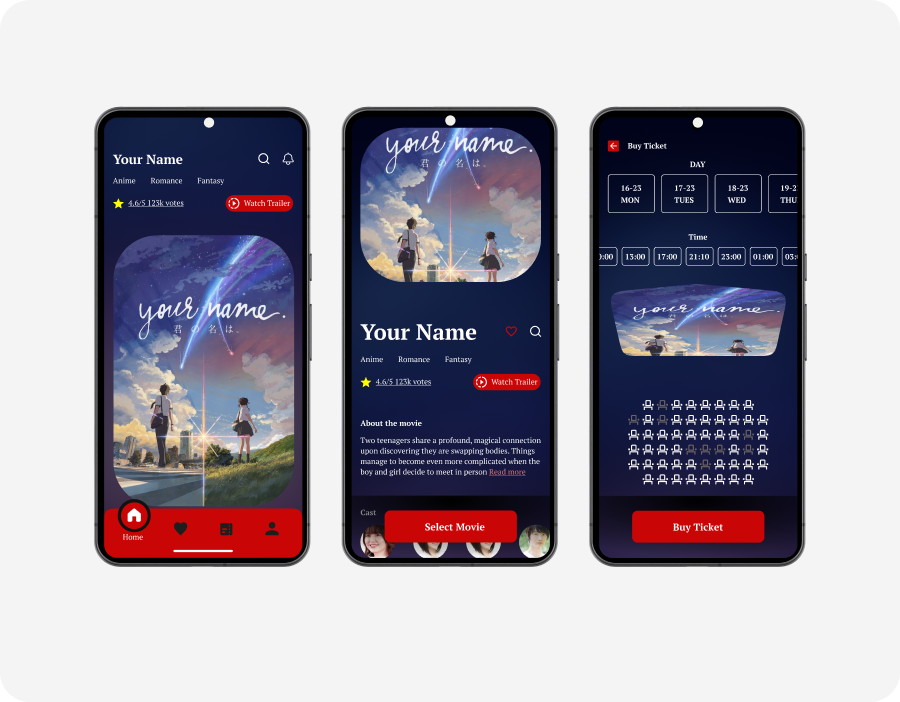
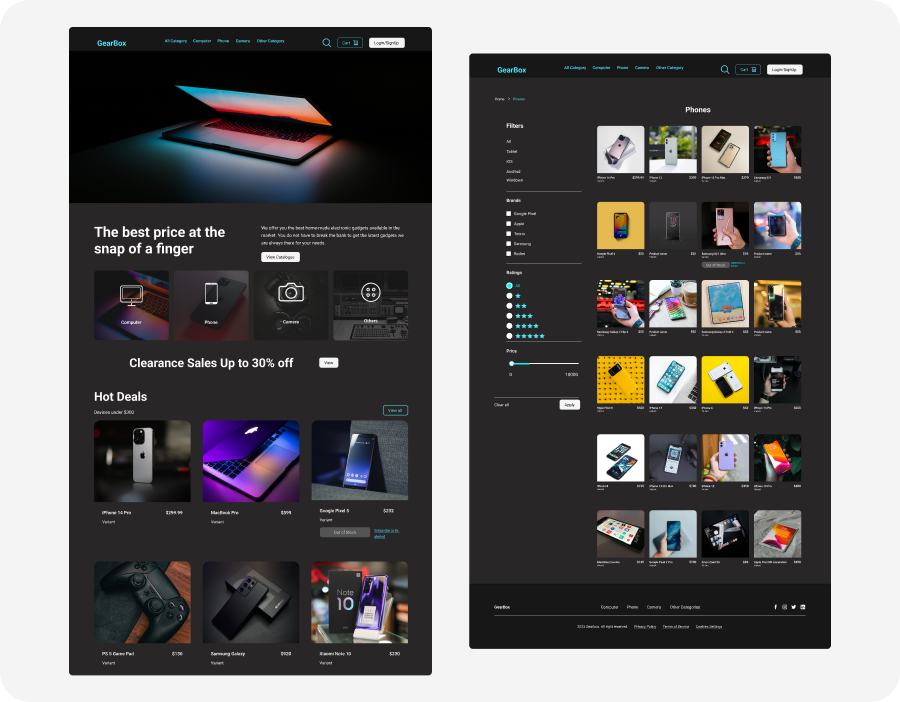
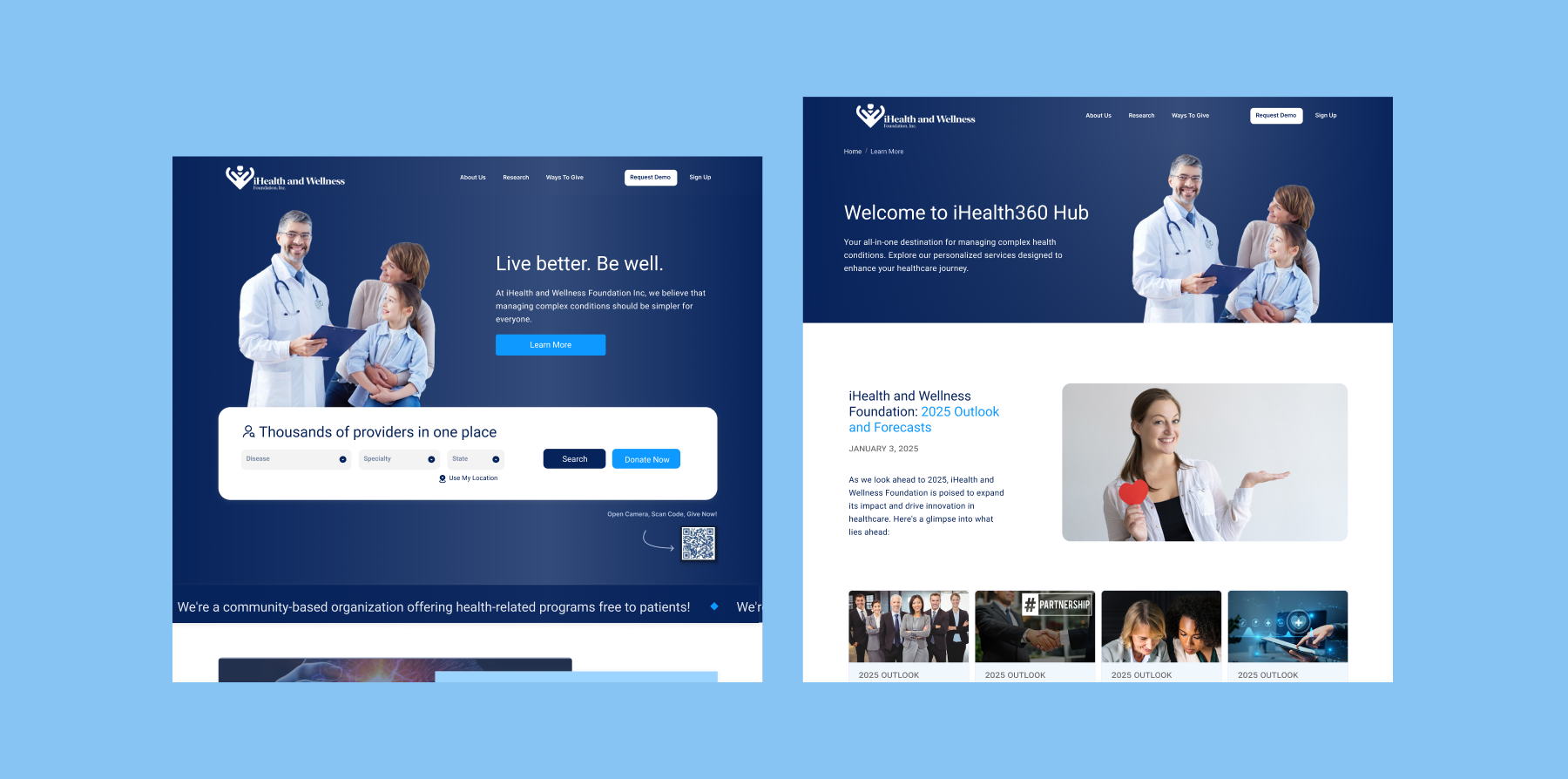
This collection highlights a series of product design case studies spanning mobile apps, web platforms, dashboards, and digital experiences. Each project explores how thoughtful UX strategy, clear information architecture, and intentional design decisions can simplify complexity and improve user engagement. Across these projects, I worked on products at different stages — from early concepts to refined experiences — helping teams transform ideas into usable, scalable solutions.
Across industries such as education, fintech, health, and digital services, many products face similar challenges:
These challenges often stem from a lack of structure, clarity, and user-centered thinking — especially as products scale or evolve.
My goal across these projects was to turn complexity into clarity, ensuring each experience felt intuitive, purposeful, and accessible.
I follow a structured, flexible design process tailored to each product’s maturity and goals:
1. Understanding the Problem I begin by identifying user needs, business objectives, and constraints through research, audits, and stakeholder conversations.
2. Structuring the Experience I define user journeys, information architecture, and key interaction flows to ensure clarity and ease of navigation.
3. Designing for Usability I design wireframes and high-fidelity interfaces focused on accessibility, hierarchy, and user confidence.
4. Iteration & Validation Designs are refined through feedback, usability testing, and real-world considerations to ensure practicality and scalability.
Across these projects, design improvements contributed to:


Need a design that stands out? Let's turn your vision into reality. Get in touch for a free consultation and for your designs!


.png)
.png)

.png)
.png)


